From Textile Waste to Greater Value: Unlocking 27%+ Higher Price Realization in Technical Textiles
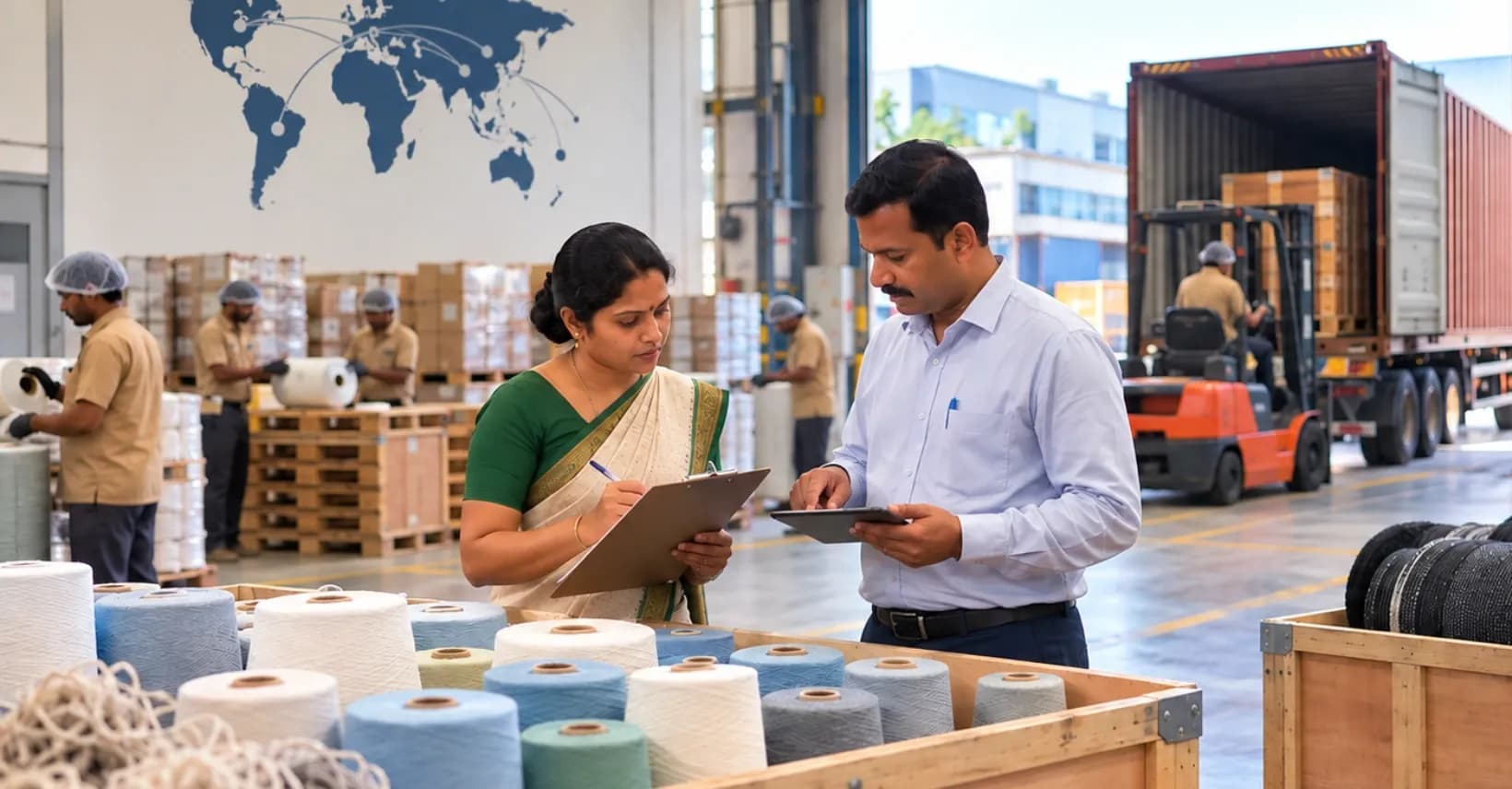
A leading Indian multi-business conglomerate with a strong global presence across chemicals, technical textiles and packaging films faced a value-realization challenge across two sub-standard categories: yarn waste and tyre cord fabric. Although these materials retained commercial potential, inconsistent quality, contamination and complex recycling requirements limited reuse and narrowed the pool of interested buyers.
The challenge was compounded by fluctuating demand and pricing driven by global scrap-market dynamics. High competition among sellers put further pressure on price realization, while transportation and storage costs made efficient movement and timely disposal critical to protecting value.
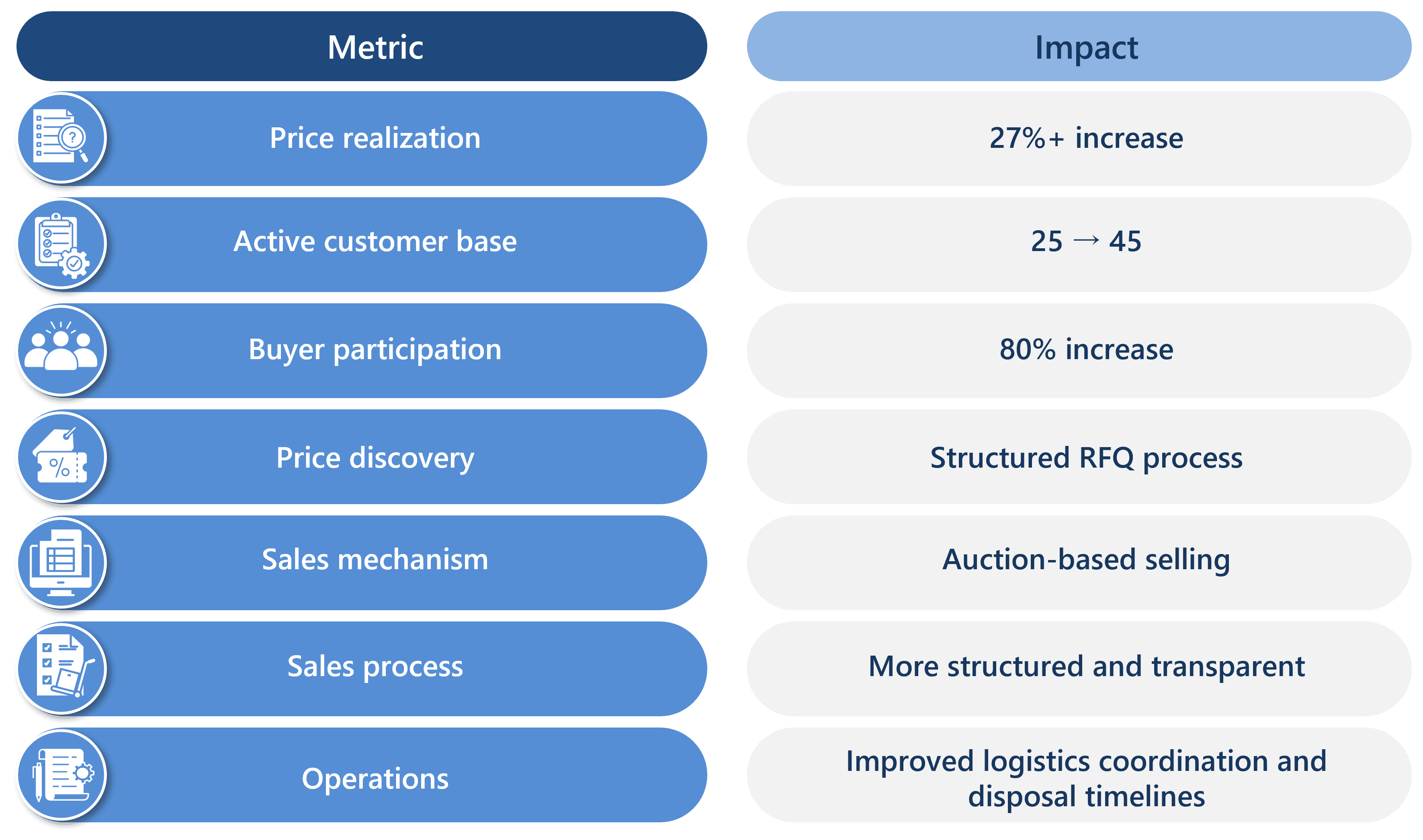
YCP Supply Chain helped redesign the sales and disposal process around market assessment, structured price discovery, broader buyer participation, auction-based selling and improved logistics coordination. The result was stronger competition, greater transparency and a 27%+ increase in selling price realization.
Challenges
Quality & Processing Constraints: Inconsistent quality of tyre cord and yarn waste, including contamination from oil, rubber and other materials, reduced reuse potential and buyer interest.
Complex Recycling Requirements: Cost-intensive recycling requirements limited the attractiveness of the materials and constrained the pool of potential buyers.
Market & Pricing Volatility: Fluctuating demand and pricing linked to global scrap-market dynamics created uncertainty around achievable price realization.
Seller Competition: High competition among sellers placed downward pressure on prices and margins.
High Transportation & Storage Costs: The need to preserve material quality increased transportation and storage costs, making efficient material movement important to overall value realization.
Limited Buyer Base: Specific grades of tyre cord and yarn waste had a limited buyer base, restricting competitive bidding opportunities.
Approach
Assessing the Market and Setting the Strategy
YCP Supply Chain conducted detailed market analysis to understand demand, pricing trends and the buyer landscape. This provided the foundation for a more targeted and competitive sales strategy.
Strengthening Buyer Participation
A security deposit mechanism was introduced to encourage serious buyer participation and improve the quality of the bidding pool.
Structuring Price Discovery
A formal RFQ process was implemented to standardize pricing discovery and create a clearer basis for comparing buyer offers.
Expanding the Buyer Ecosystem
The active customer base was expanded from 25 to 45, increasing participation by 80% and creating stronger competitive tension.
Introducing Auction-Based Selling
Auction-based selling was introduced to improve transparency and drive more competitive price realization across the sub-standard categories.
Optimizing Logistics and Disposal
Vehicle placement was streamlined across multiple locations, while logistics coordination and disposal timelines were improved to support more efficient material movement and monetization.
Impact
The redesigned approach strengthened the commercial economics of yarn waste and tyre cord fabric by combining better market intelligence with a broader buyer base and more competitive price discovery. The client achieved a 27%+ increase in price realization while expanding the active customer base by 80%.
The engagement also established a more structured and transparent sales process through RFQs and auction-based selling. Improved logistics coordination and disposal timelines supported more efficient material movement, helping unlock value from categories that had previously faced significant market and operational constraints.
Impact at a Glance
Outcome
The engagement transformed sub-standard yarn waste and tyre cord fabric from a cost-leakage challenge into a more structured value-realization opportunity. By broadening the buyer ecosystem and introducing formal RFQs and auction-based selling, the client created stronger competition and improved price transparency.
At the same time, improved logistics coordination helped reduce disposal delays and support more efficient material movement. Together, these changes enabled higher price realization and a more disciplined, scalable process for monetizing sub-standard materials.
Source: YCP Supply Chain case study, “Turning sub-standard categories (Yarn Waste and Tyre Cord Fabric) from cost leakage into a source of value.”